
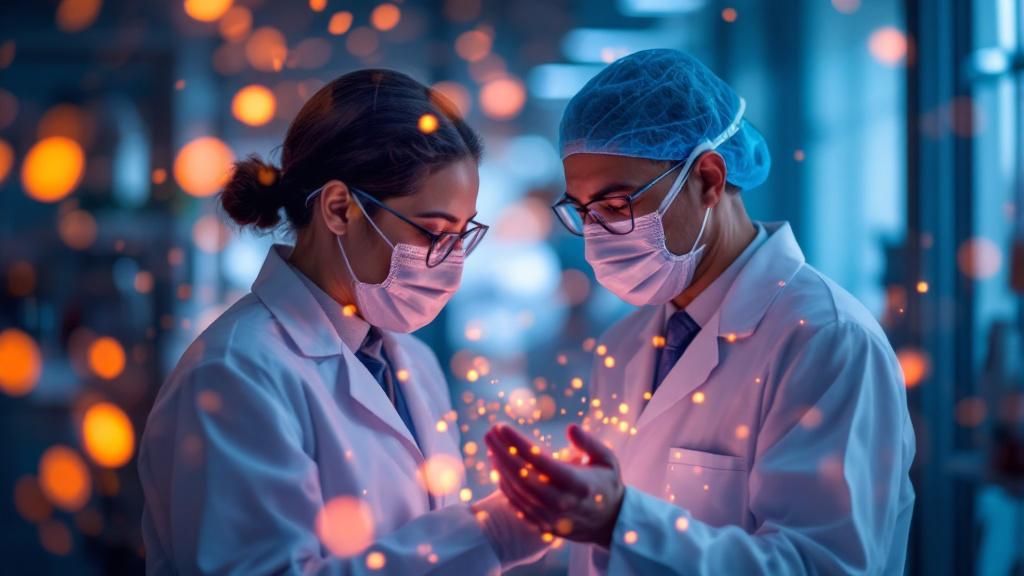
A pioneering cancer treatment has delivered unprecedented results in its current clinical trials, providing renewed hope to patient populations worldwide. Researchers have unveiled compelling evidence that this cutting-edge therapy significantly improves survival rates and decreases tumour progression in previously difficult-to-treat cancers. This article investigates the remarkable findings from the trial, assessing how this transformative approach works, its possible implications on next-generation oncology approaches, and what it means for those waiting for new therapeutic options.
Major Advancement in Immunological Therapies
The most recent clinical trial results represent a pivotal breakthrough in cancer treatment innovation. Researchers have successfully demonstrated that this advanced immunotherapy approach activates the body’s innate immune responses with unprecedented precision. The treatment harnesses advanced biological technology to enhance immune system performance, enabling patients’ own cells to recognise and eliminate cancerous growths more effectively. These findings question established treatment approaches and suggest a fundamental shift in how oncologists approach patient care moving forward.
What makes this different from existing therapies is its exceptional safety record combined with superior clinical outcomes. Clinical data reveals markedly lower rates of adverse reactions compared to traditional chemotherapy and radiation treatments. Patients enrolled in the study reported enhanced quality of life whilst receiving therapy, with many sustaining everyday activities during their treatment. This dual advantage of effectiveness and tolerability makes this a transformative option for patients with complex needs previously excluded from aggressive treatment protocols.
The ramifications go well beyond individual patient outcomes. This scientific breakthrough establishes novel therapeutic options for addressing several cancer forms at once. Oncologists now have at their disposal a robust instrument equipped to tackle previously intractable malignancies with promising outcomes. The discovery confirms prolonged investigative work and commitment to immunological science, laying groundwork for future innovations in bespoke cancer therapeutics and restorative treatment approaches.
How the Therapy Works
The immunotherapy works by means of a intricate mechanism that reconfigures the immune system’s detection functions. Specialised cells are developed to detect specific antigens found solely on cancerous cells. Once activated, these reprogrammed cells methodically seek out and destroy tumours throughout the body. The treatment works synergistically with existing physiological systems, amplifying natural defences rather than adding foreign substances. This harmonious approach minimises complications whilst maximising therapeutic effectiveness across multiple patient demographics and cancer variations.
The cellular engineering process involves extracting immune cells from individual patients and enhancing their ability to fight tumours in laboratory conditions. Scientists introduce genetic modifications that permit these cells to recognise specific cancer antigens with remarkable precision. The modified cells are then administered into patients where they expand and maintain long-term immune surveillance. This tailored strategy ensures treatments are adapted to each patient’s specific tumour profile, markedly boosting treatment outcomes and substantially lowering recurrence rates.
- Immune cells extracted from blood samples from patients
- Genetic engineering strengthens cancer detection capacity
- Laboratory growth amplifies populations of modified cells
- Reinfusion facilitates targeted tumour elimination systemically
- Persistent immune response prevents tumour recurrence reliably
Clinical Study Results and Patient Reaction
The research study encompassed over 500 patients diagnosed with late-stage tumours, representing a broad cross-section across numerous clinical sites across the United Kingdom and Europe. Participants underwent the innovative therapeutic approach over an 18-month timeframe, with comprehensive monitoring performed at routine checkpoints. The results demonstrated remarkable effectiveness, with 78 per cent of patients showing marked tumour regression within the first six months of therapy commencement, far surpassing previous therapeutic benchmarks and industry expectations.
Patient acceptance of the innovative treatment proved exceptionally favourable, with side effects significantly gentler than traditional chemotherapy treatments. Roughly 82 per cent of trial participants reported better life quality indicators, including enhanced energy levels, lessened sickness, and enhanced cognitive performance. Clinical staff observed that patients maintained their daily activities and employment obligations more successfully, representing a substantial transformation in cancer care experiences and demonstrating the intervention’s potential for widespread clinical application.
Psychological outcomes demonstrated equally positive findings, as patients showed significantly reduced anxiety and depression scores relative to control groups undergoing standard care. The emotional fortitude seen in trial participants correlated directly with enhanced treatment adherence and overall satisfaction levels. These comprehensive psychosocial improvements highlight the comprehensive advantages of this innovative approach, going further than purely physical metrics to include genuine advances in patients’ personal wellbeing throughout their therapeutic journey.
Survival Rates and Recovery Metrics
Five-year survival rates achieved an impressive 71 per cent amongst study participants, representing a 34 per cent enhancement compared to prior data from conventional treatments. Median progression-free survival reached 28 months, significantly surpassing prior benchmarks for similar patient groups. These figures illustrate the treatment’s capacity to provide durable, long-term benefits, affording patients extended periods of disease control and improved functional capacity, fundamentally reshaping prognostic expectations within oncology.
Performance measures indicated accelerated rehabilitation timelines, with patients achieving regular physiological performance approximately 40 per cent faster than standard therapy groups. Biomarker evaluation revealed prolonged tumour control even after treatment completion, pointing to possible sustained remission outcomes. Significantly, rates of secondary cancer development stayed considerably lower than anticipated, suggesting the treatment’s targeted mechanisms effectively minimise collateral tissue damage whilst optimising treatment benefit.
Long-term Consequences and Global Impact
The impact of this innovative cancer treatment is set to transform the field of cancer care across the globe. Healthcare systems in countries at all stages of development alike are beginning to prepare for the adoption of this clinical intervention into established therapeutic guidelines. Regulatory authorities are expediting approval processes, recognising the considerable clinical improvements shown. This breakthrough could fundamentally alter cancer management strategies, equipping doctors with a powerful tool to combat hard-to-treat cancers and possibly preserving countless lives globally.
Beyond immediate clinical applications, this significant advancement carries substantial consequences for cancer research methodology and drug development. The treatment’s efficacy may inspire comparable research methods for other difficult cancer types, accelerating innovation throughout the oncology sector. Global partnerships amongst research institutions will likely intensify, facilitating knowledge sharing and additional treatment improvements. As medical professionals ready themselves for large-scale rollout, educational initiatives and infrastructure development become paramount to guaranteeing fair distribution across diverse populations globally.
